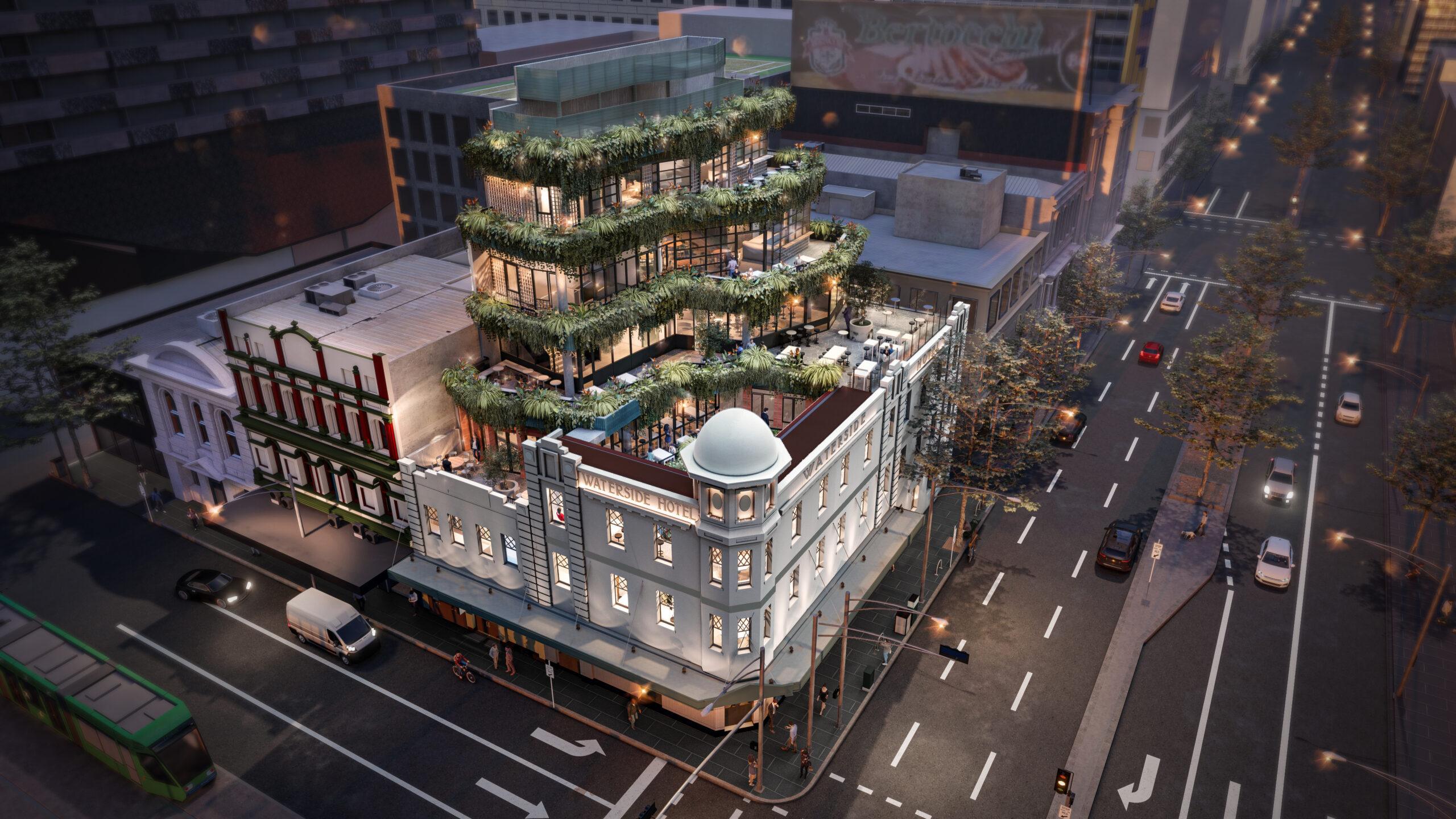
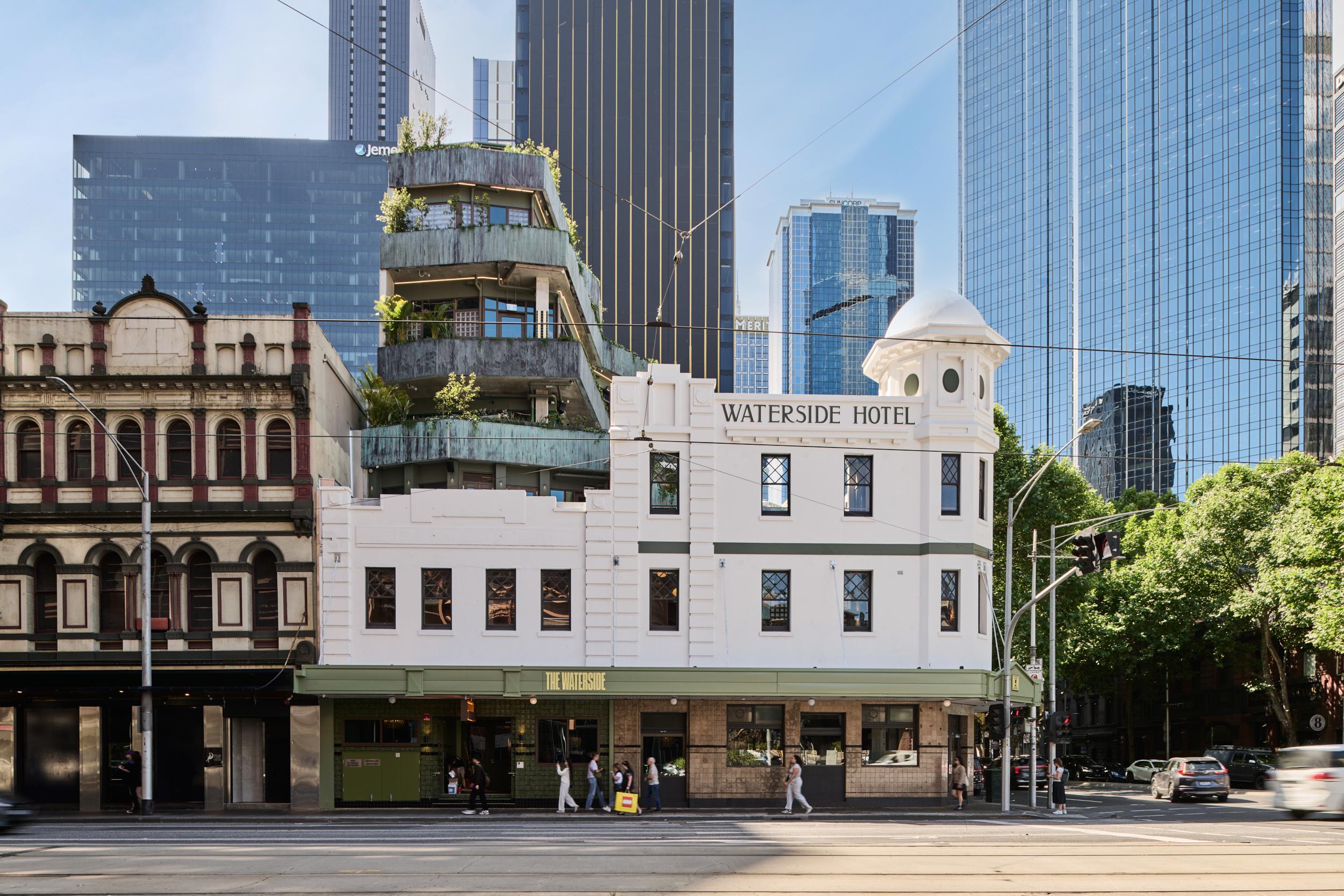
The Waterside Hotel brings a new level of ambition to a Melbourne pub site, transforming a historic building into a vertically layered, seven-storey hospitality destination.
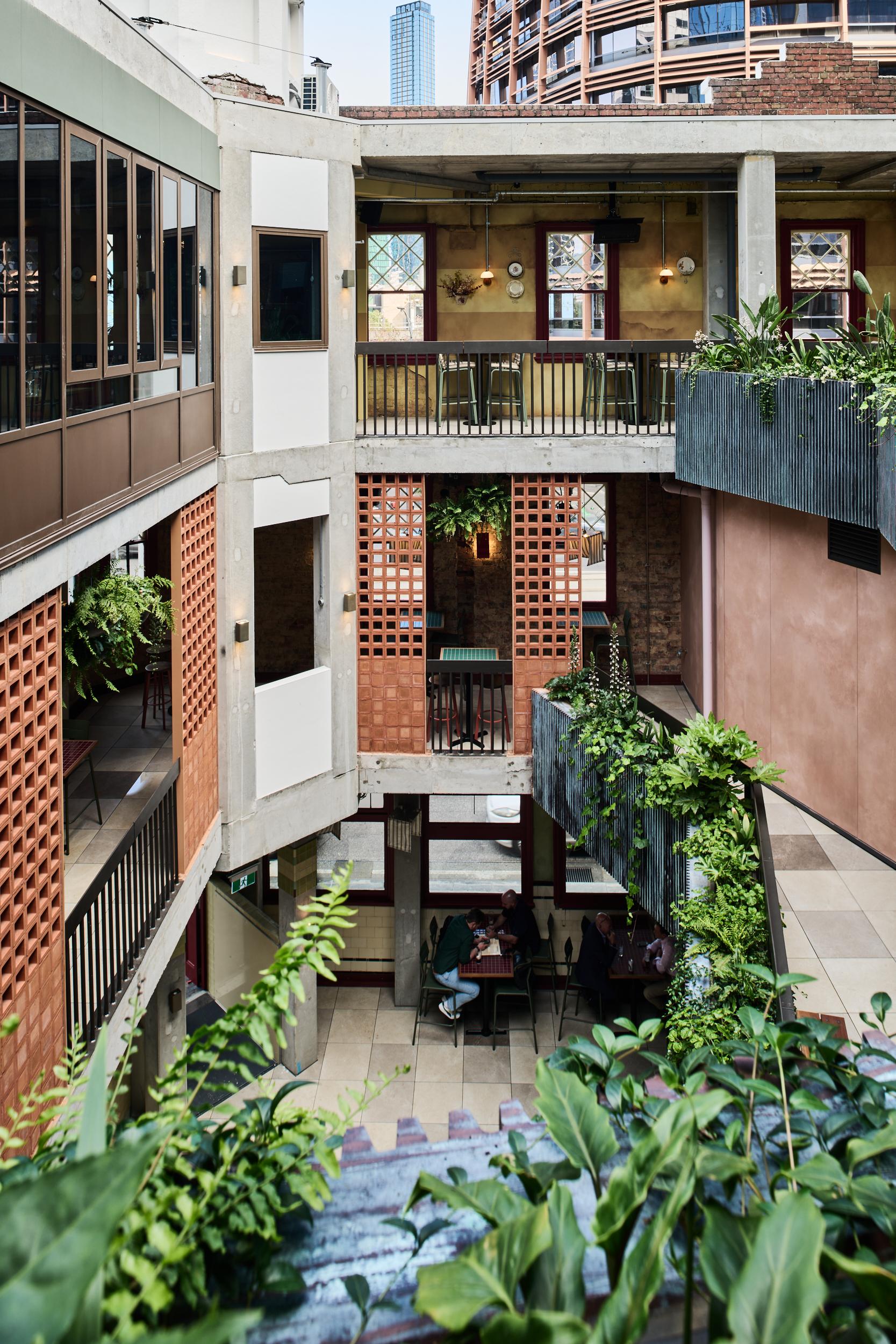
Behind the preserved exterior, a series of contemporary volumes and distinct hospitality environments unfold.
Location
The Traditional Custodians of this land
Client
Completion
Total Site Area
Gross Floor Area
Services
Interior Design
Collaborators
Landscaping by Ayus Botanical
Photographer
Eight years in the making.
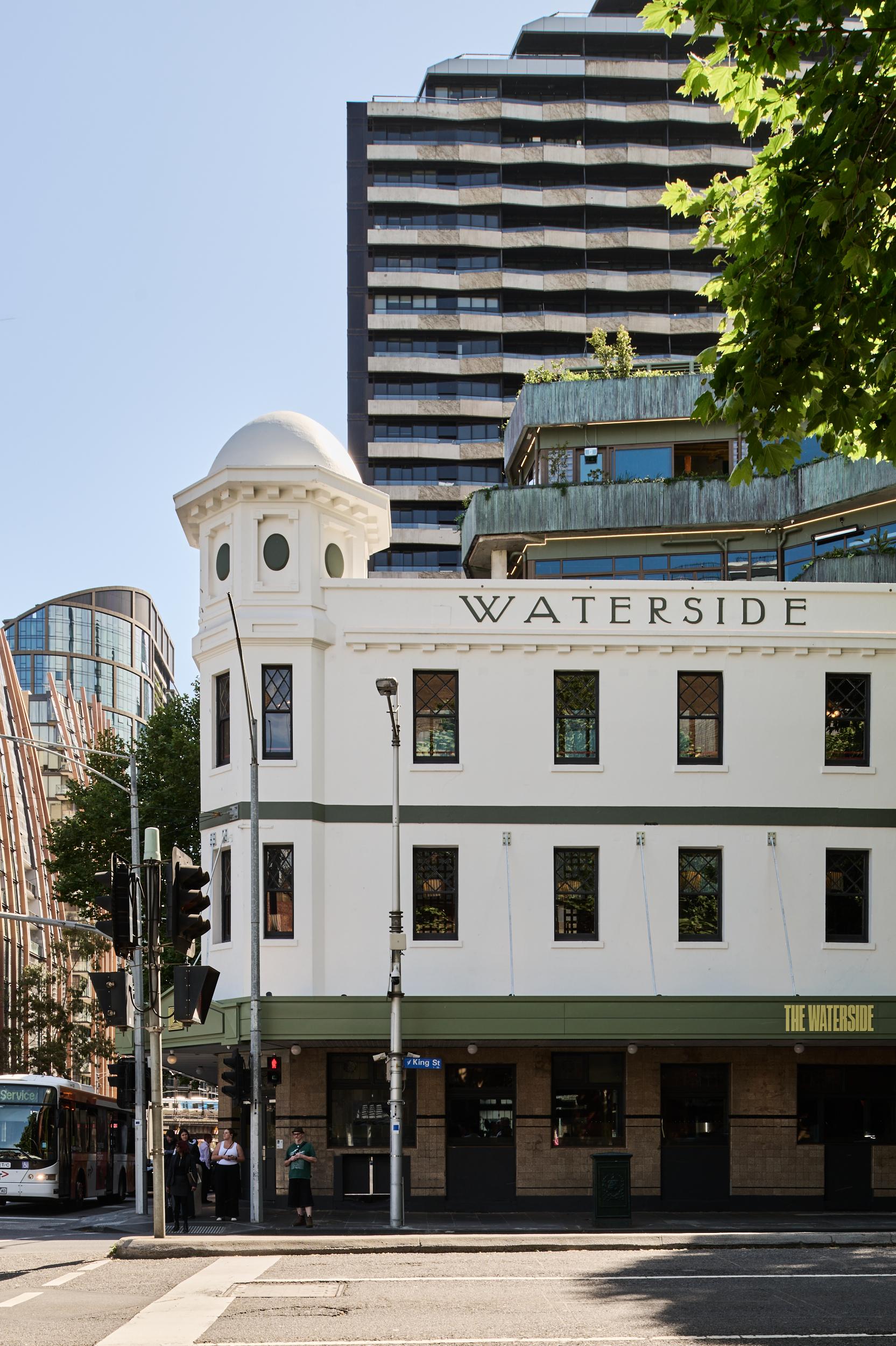
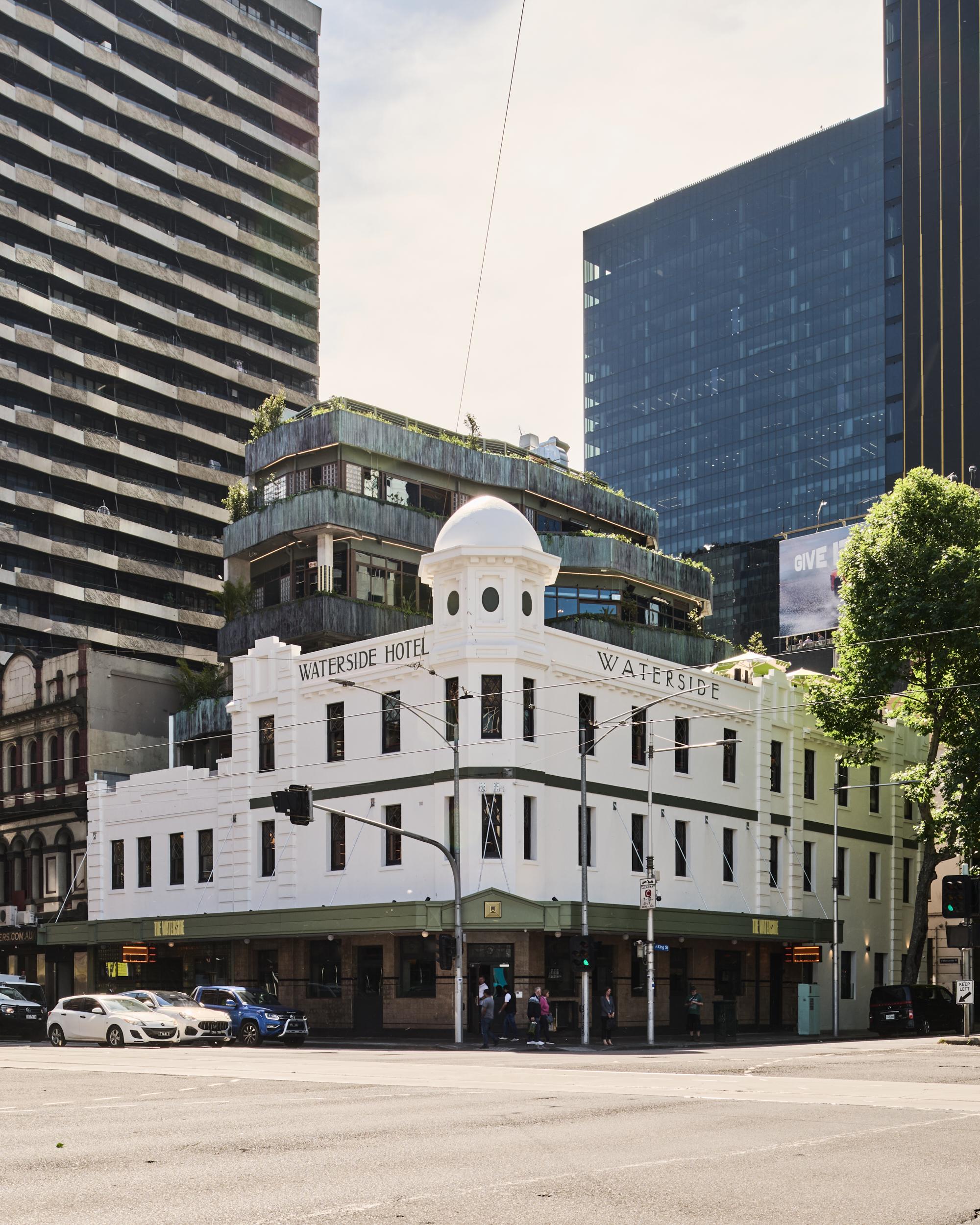
The project is one of our most ambitious architectural undertakings. Located on the corner of Flinders and King Streets, the Waterside Hotel re-imagines one of Melbourne’s most historic pub sites by carefully restoring the 1925 heritage facade while inserting an entirely new internal structure.
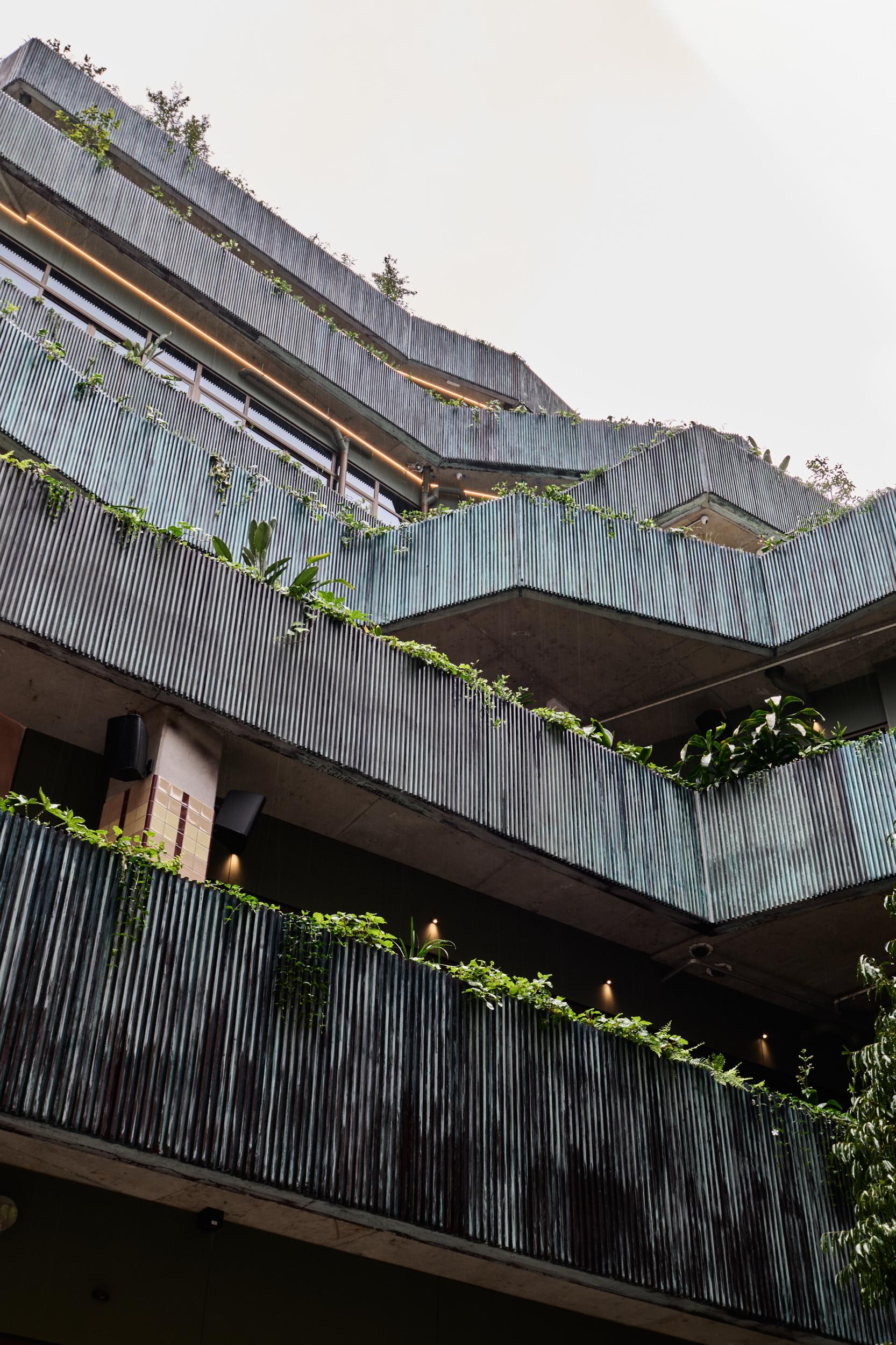
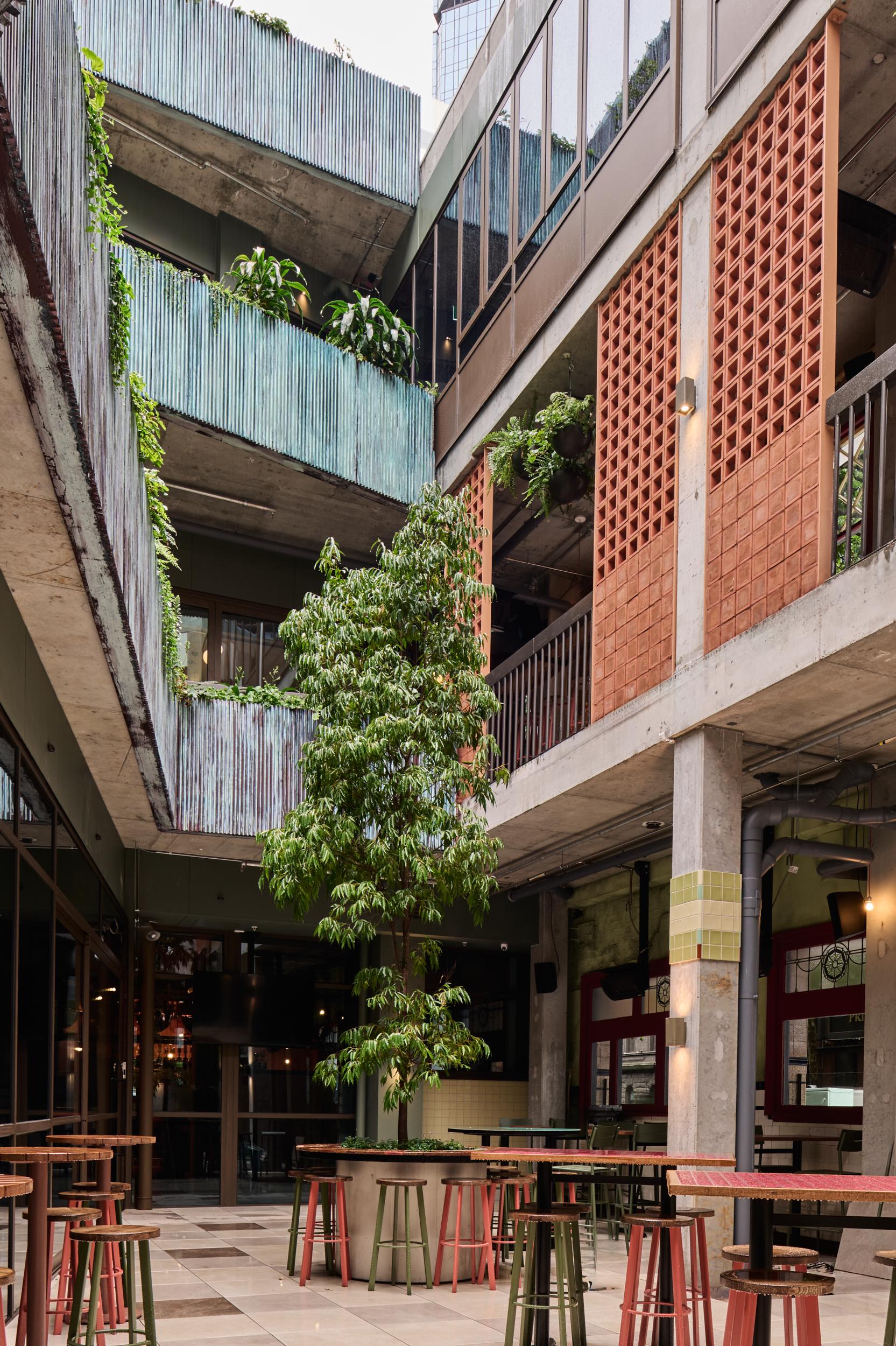
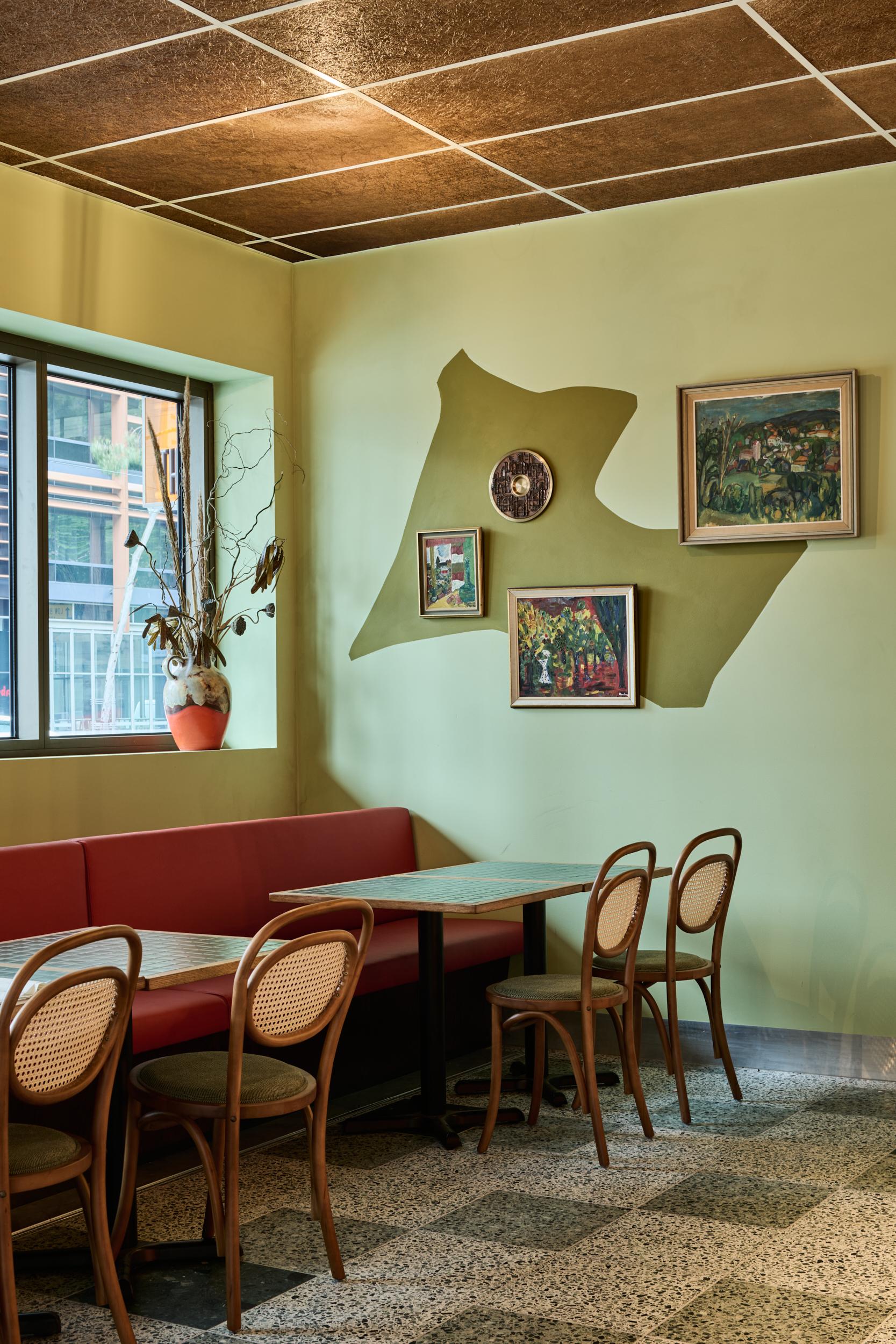
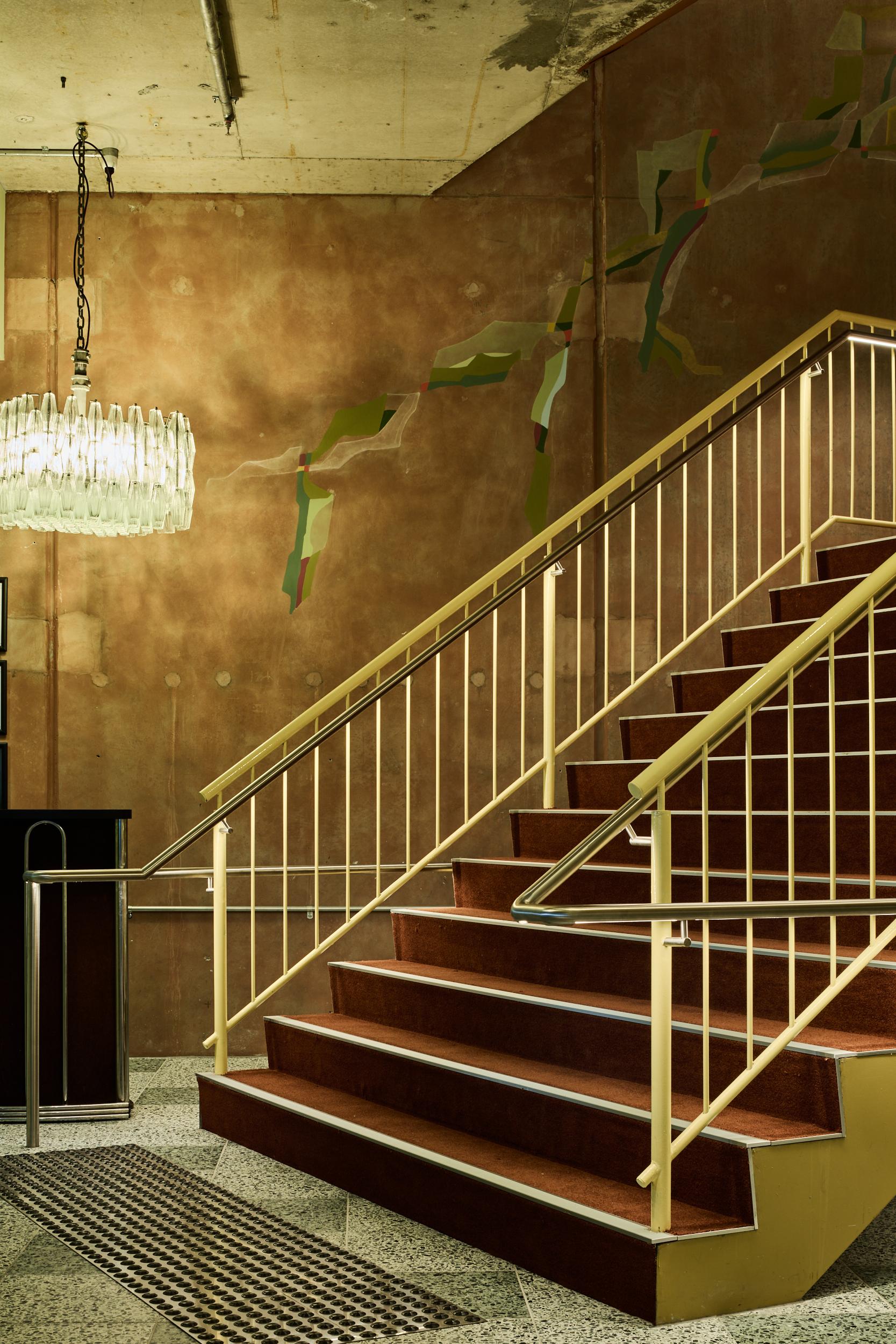
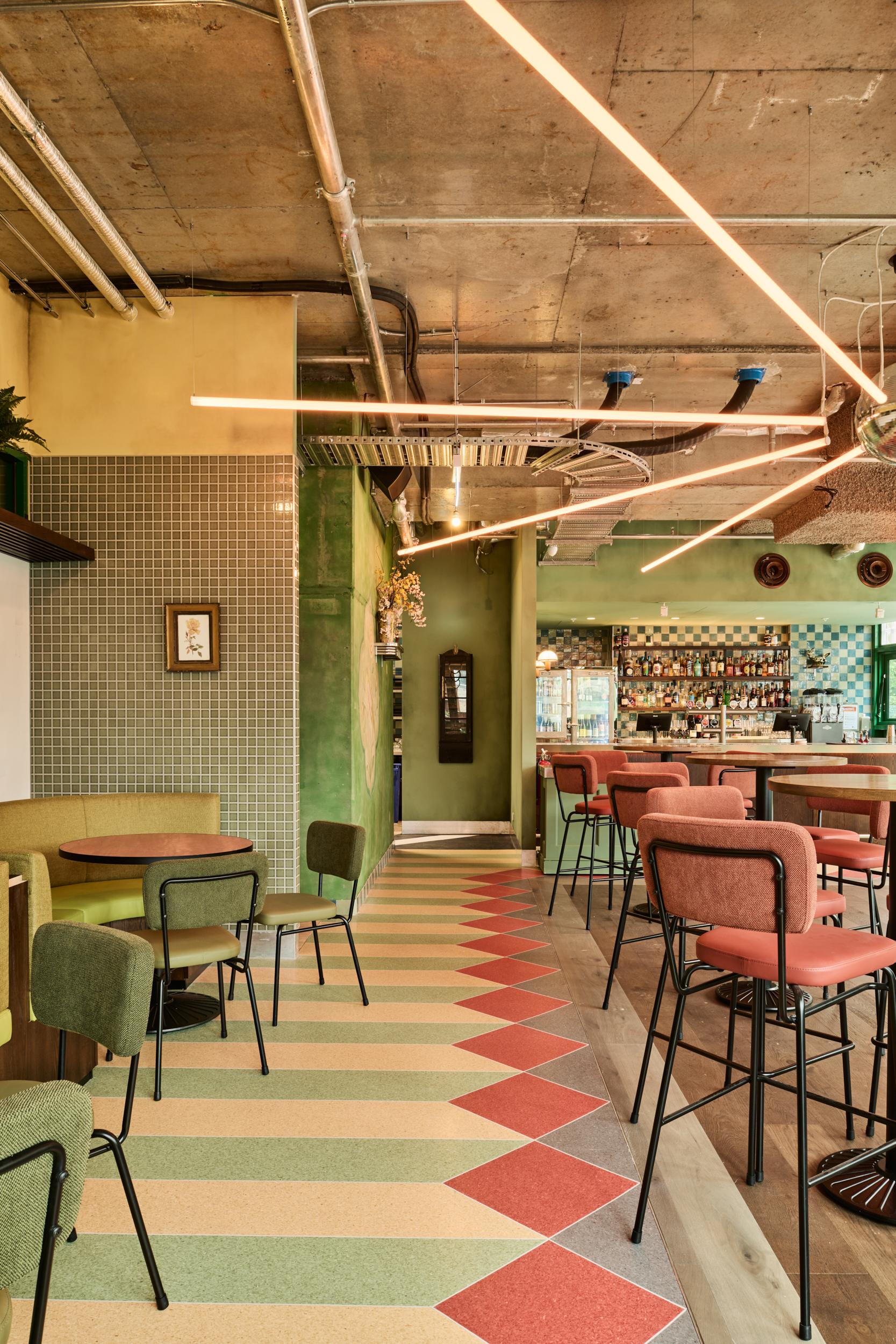
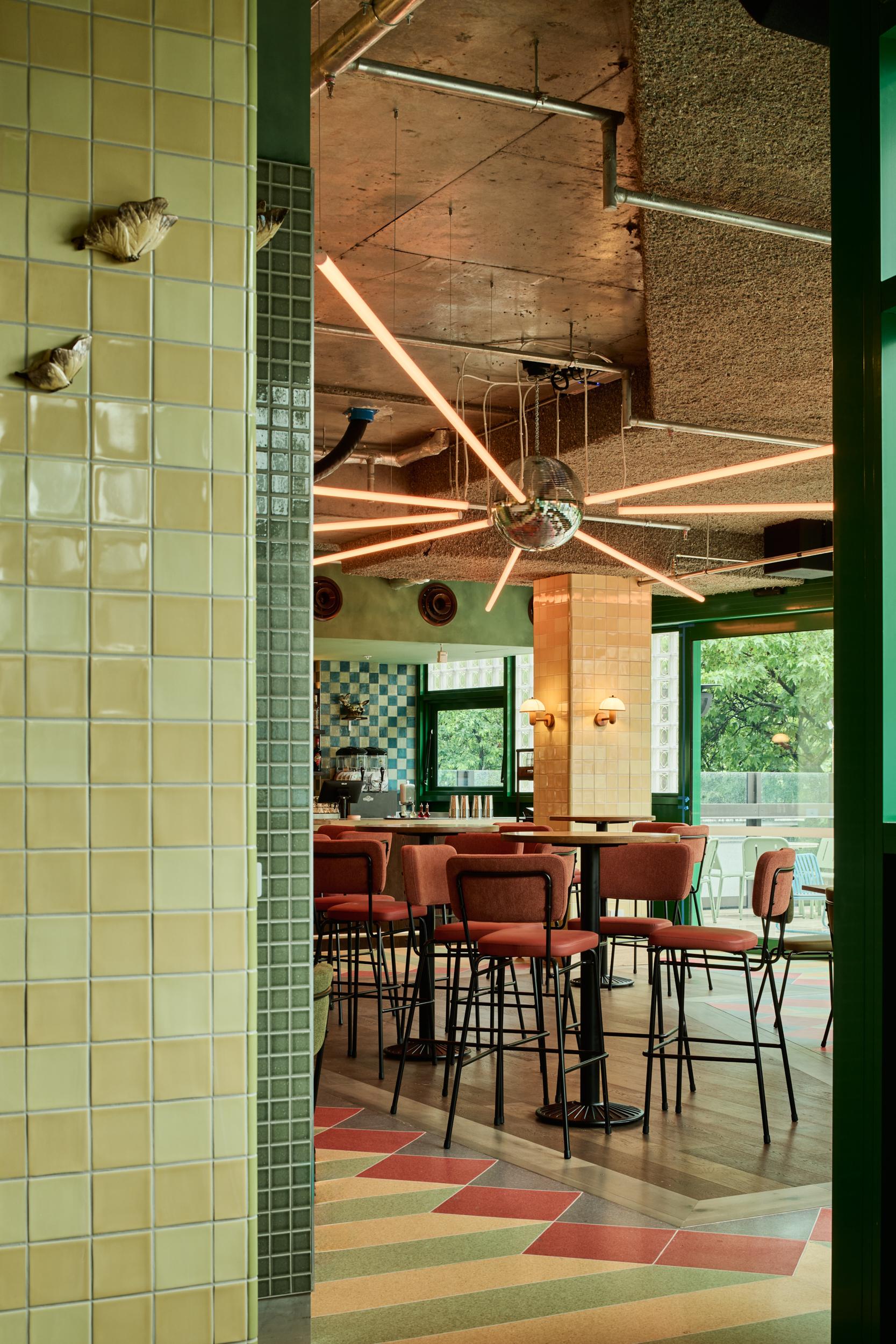
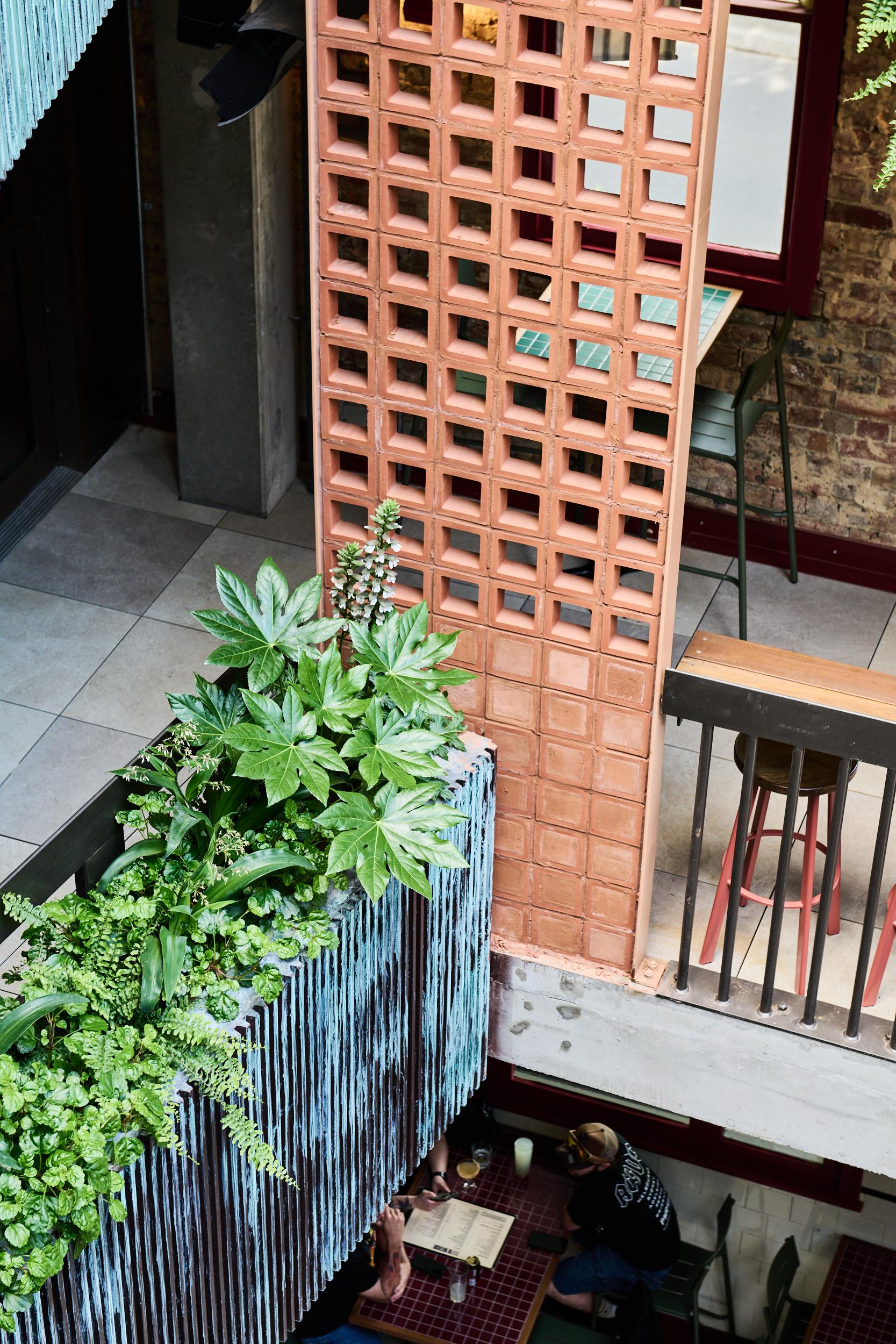
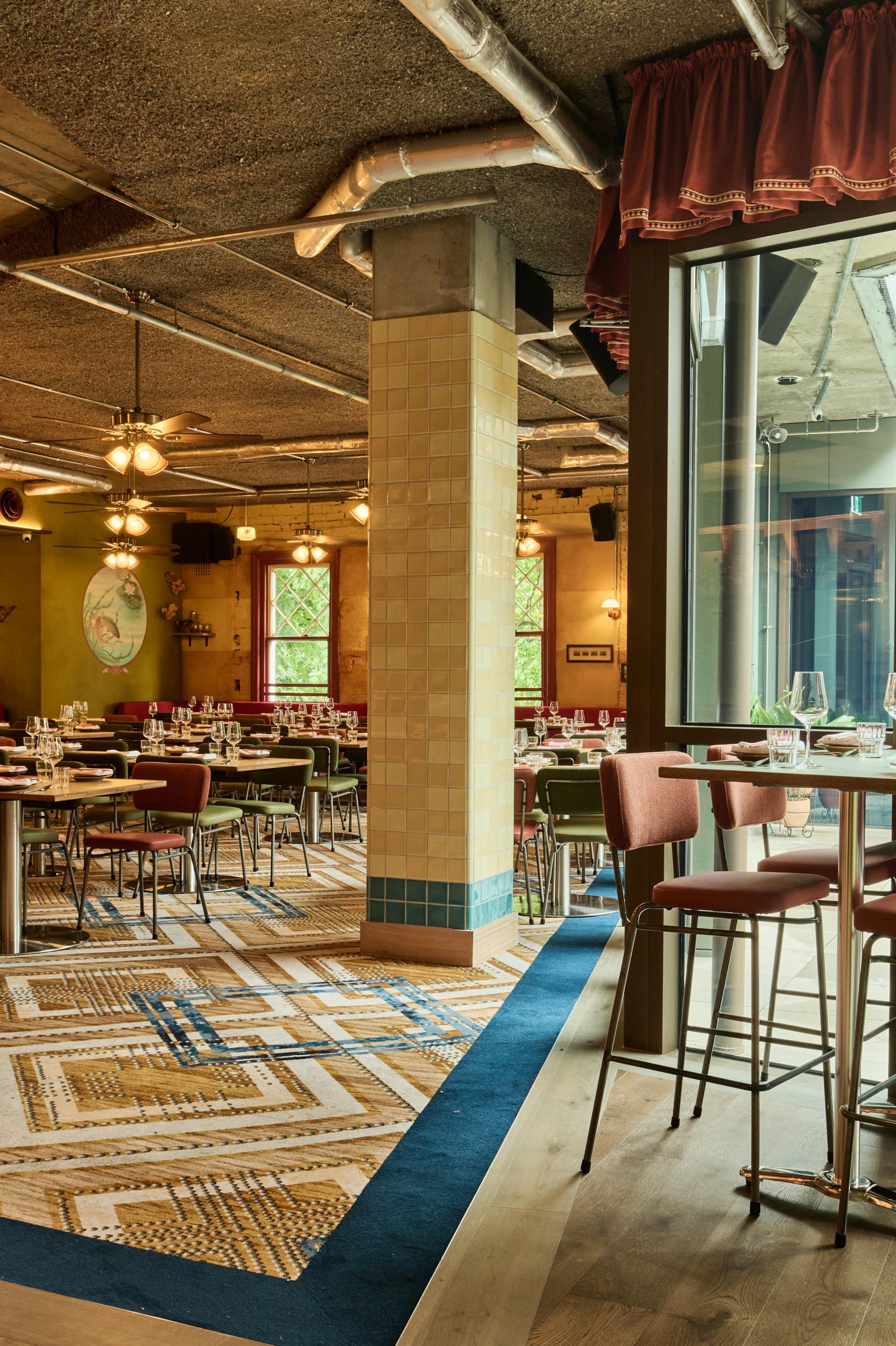
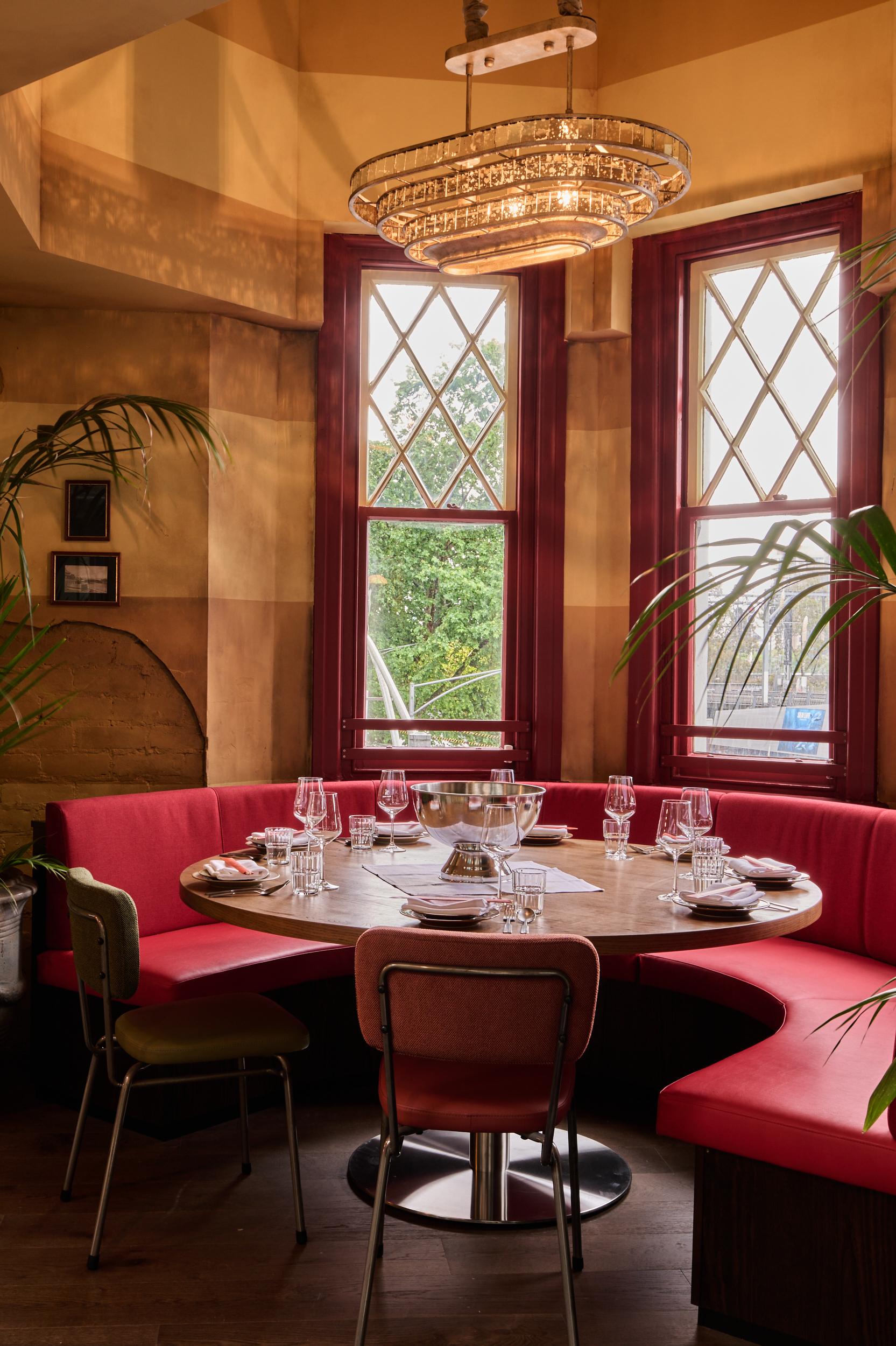
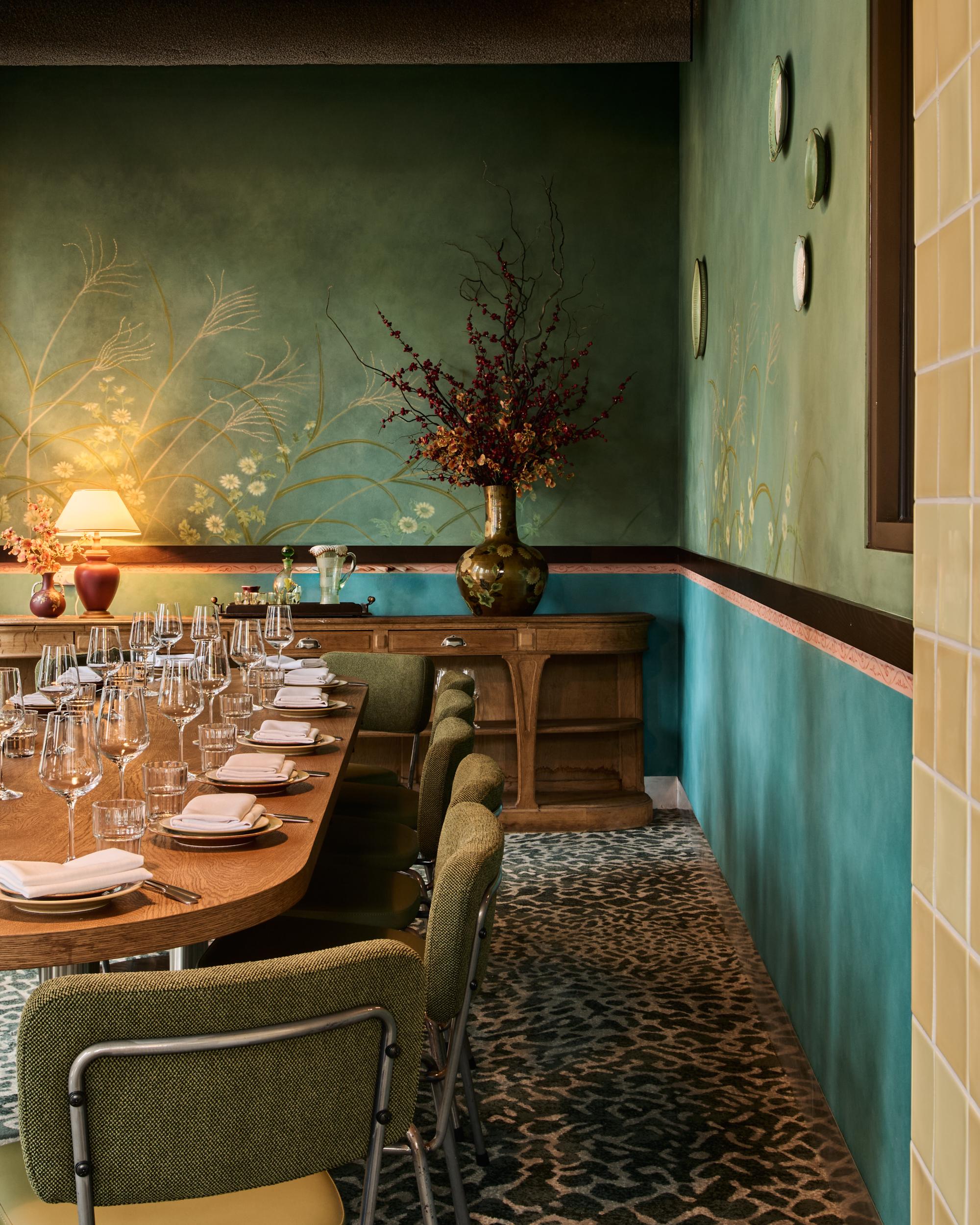
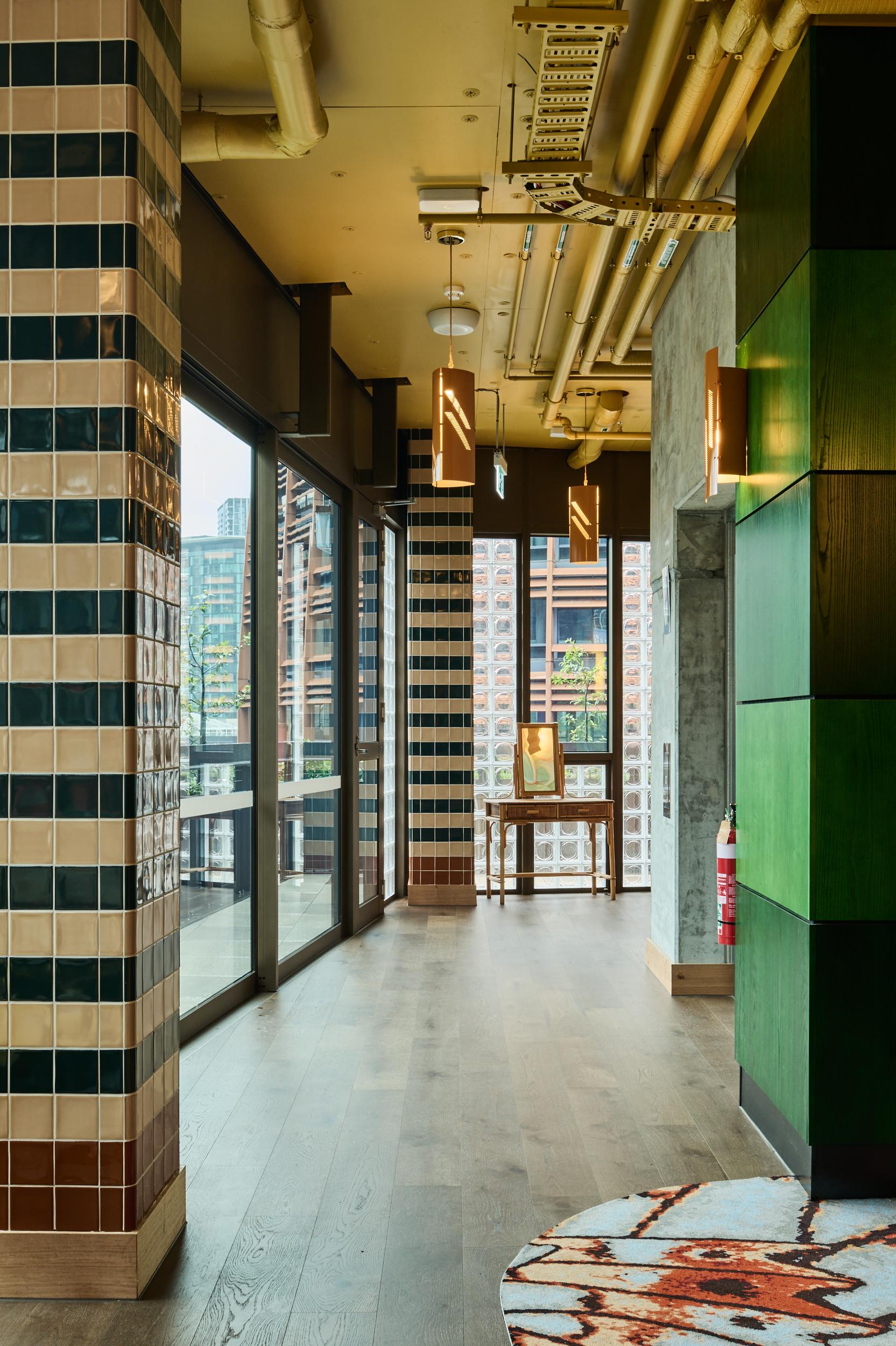
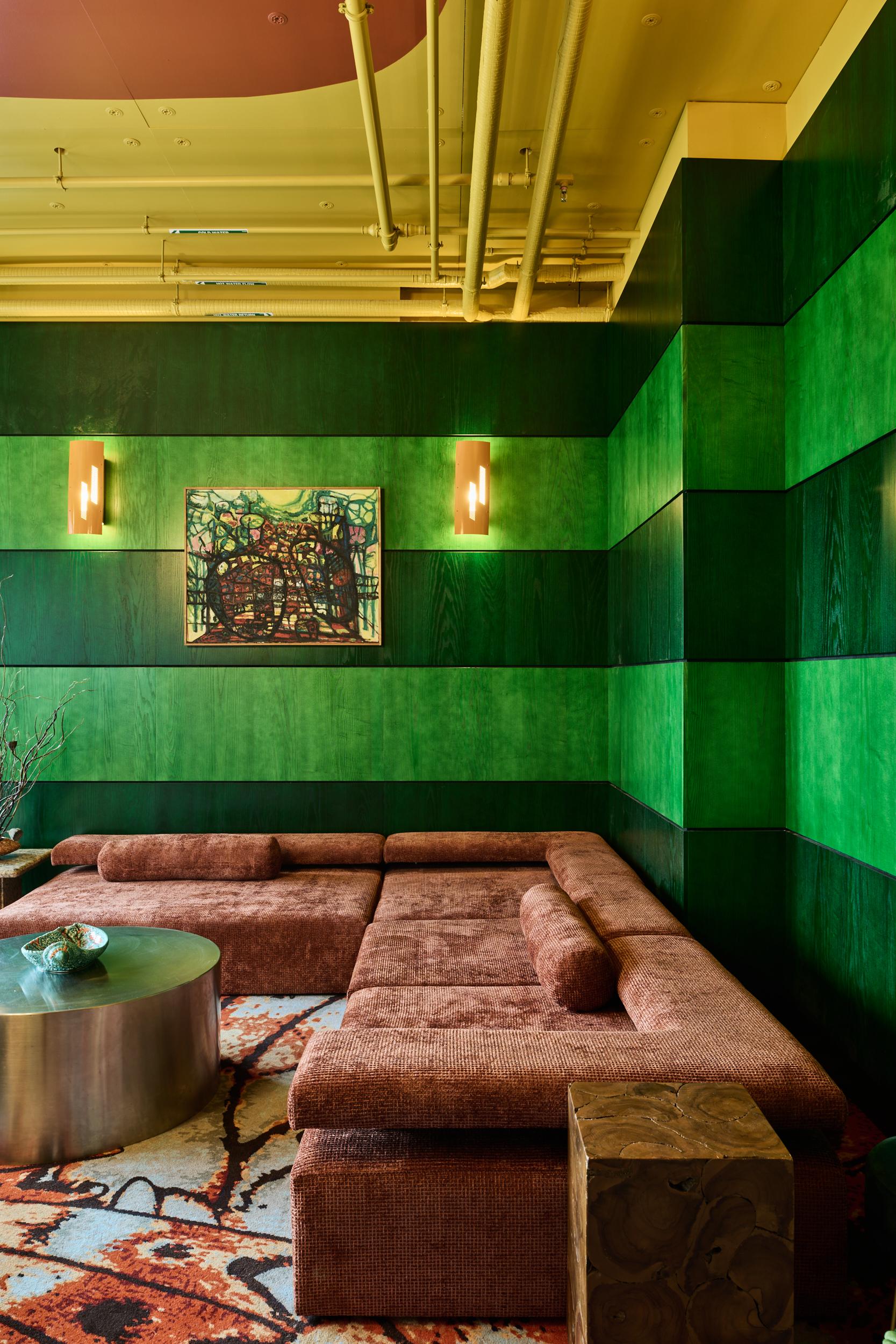
The venue is an amalgam of heritage and contemporary design, infused with bold, nostalgic references to pub spaces from different eras. Balancing heritage constraints with newly constructed volumes required an intensive and highly resolved design process.
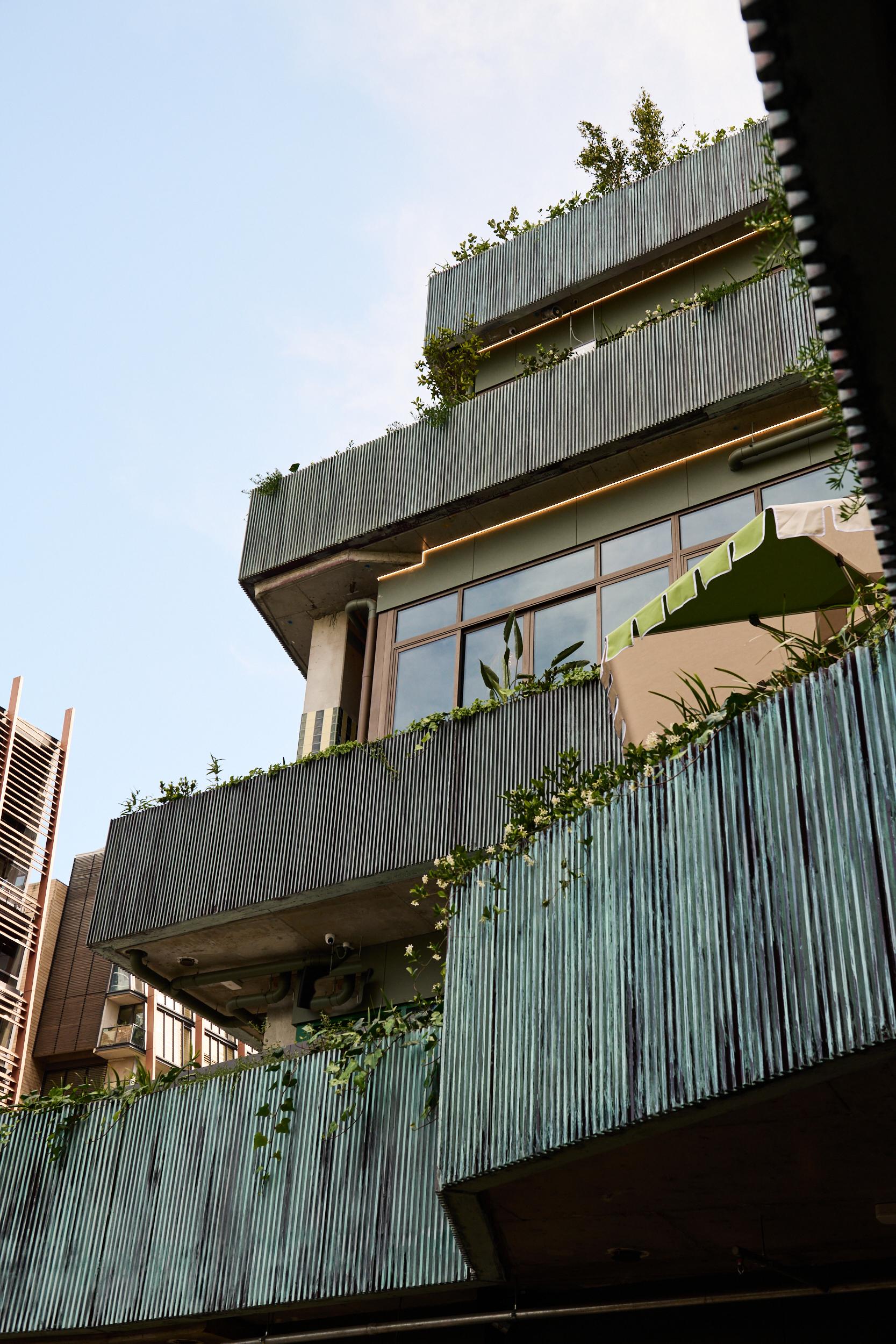
Our approach was to retain the soul of the original pub while completely reconstructing its internal world.
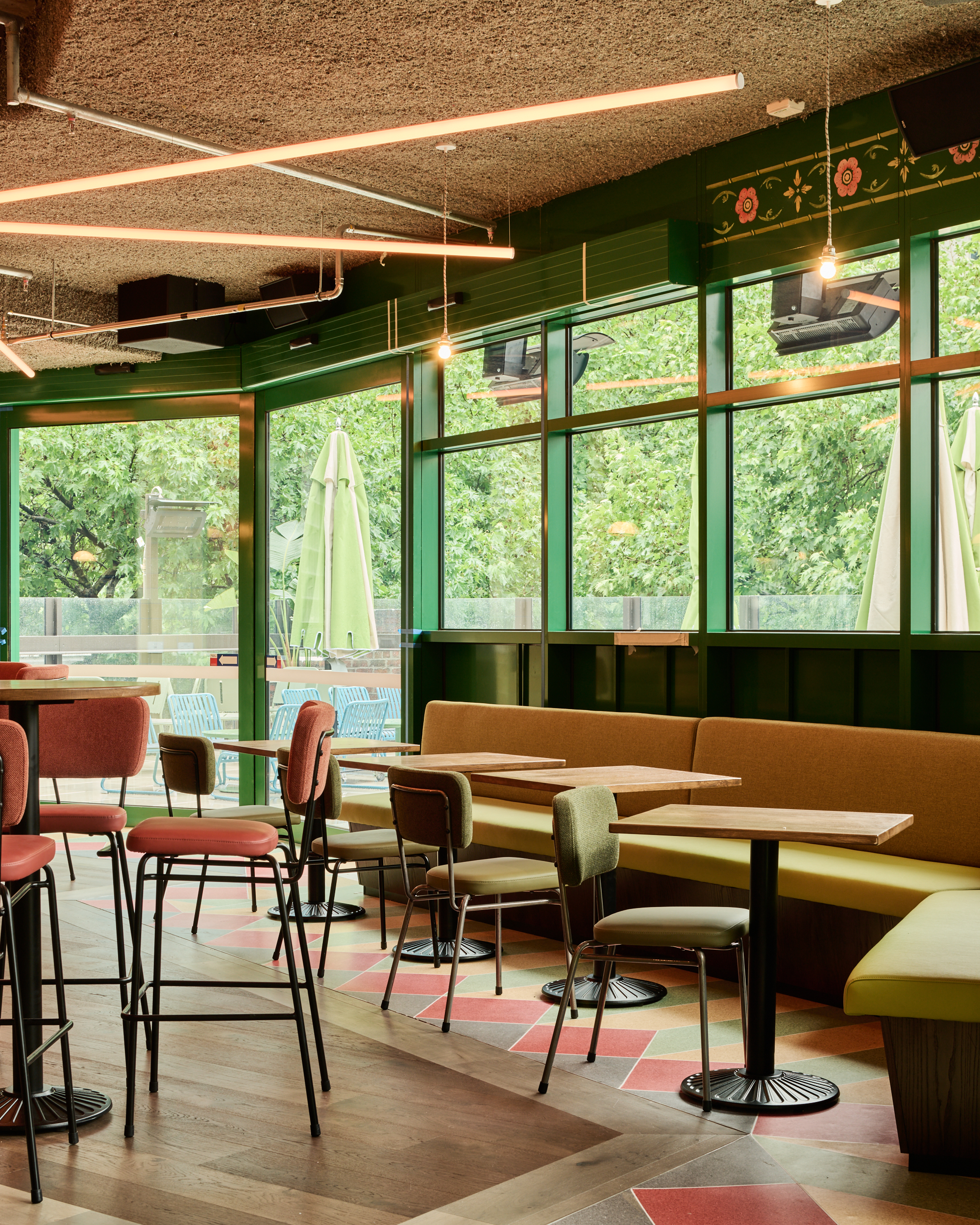
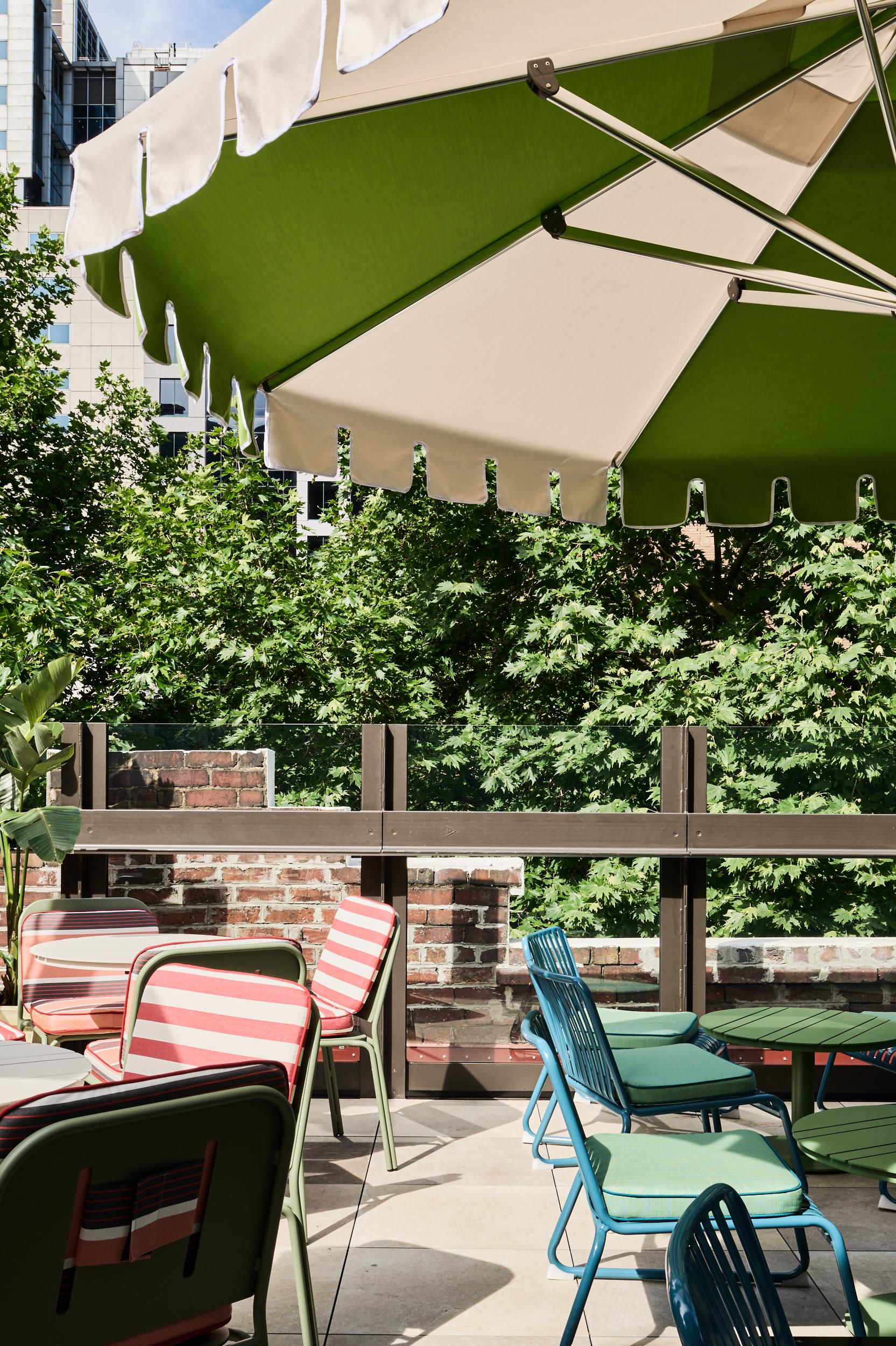
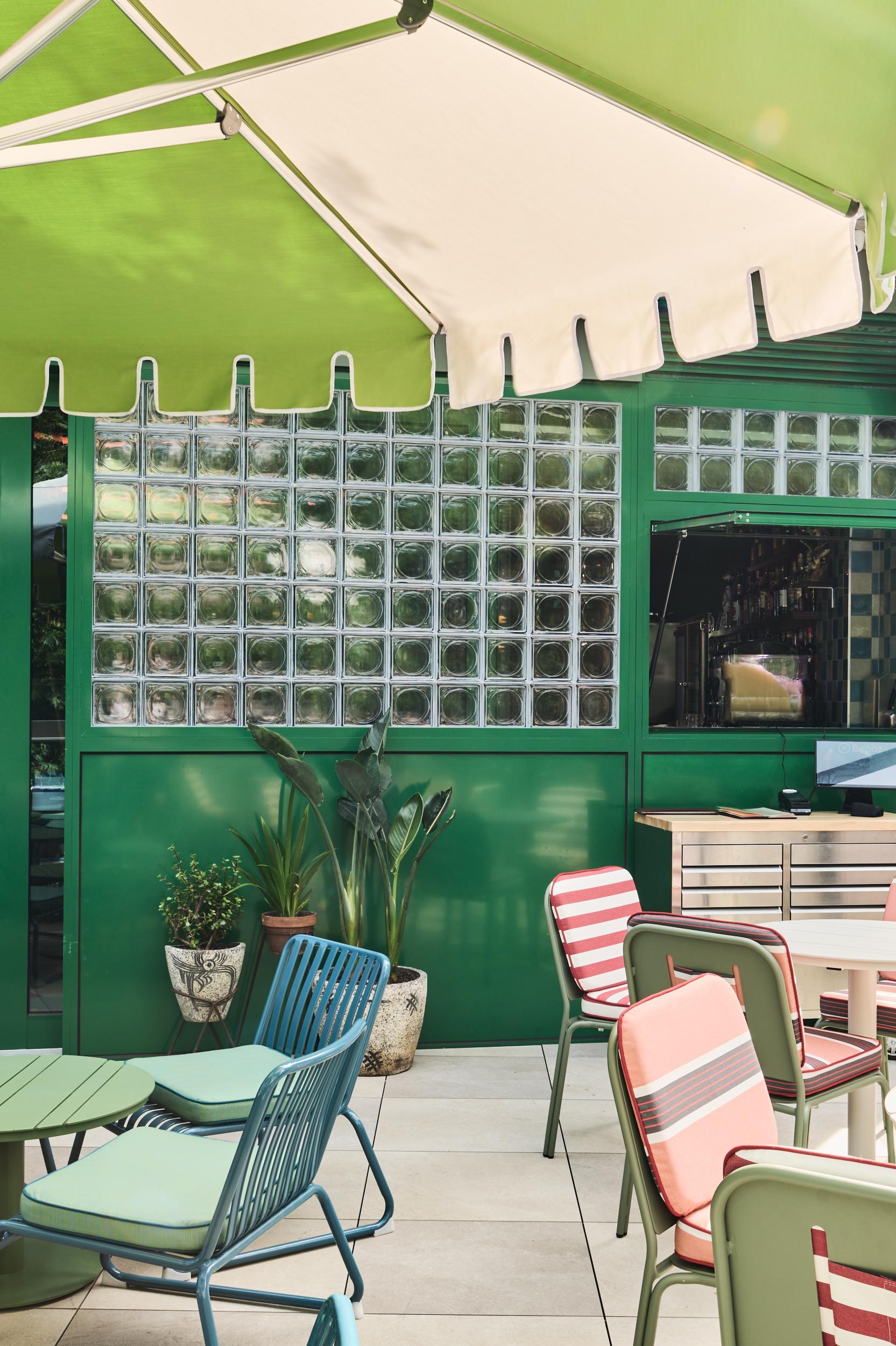
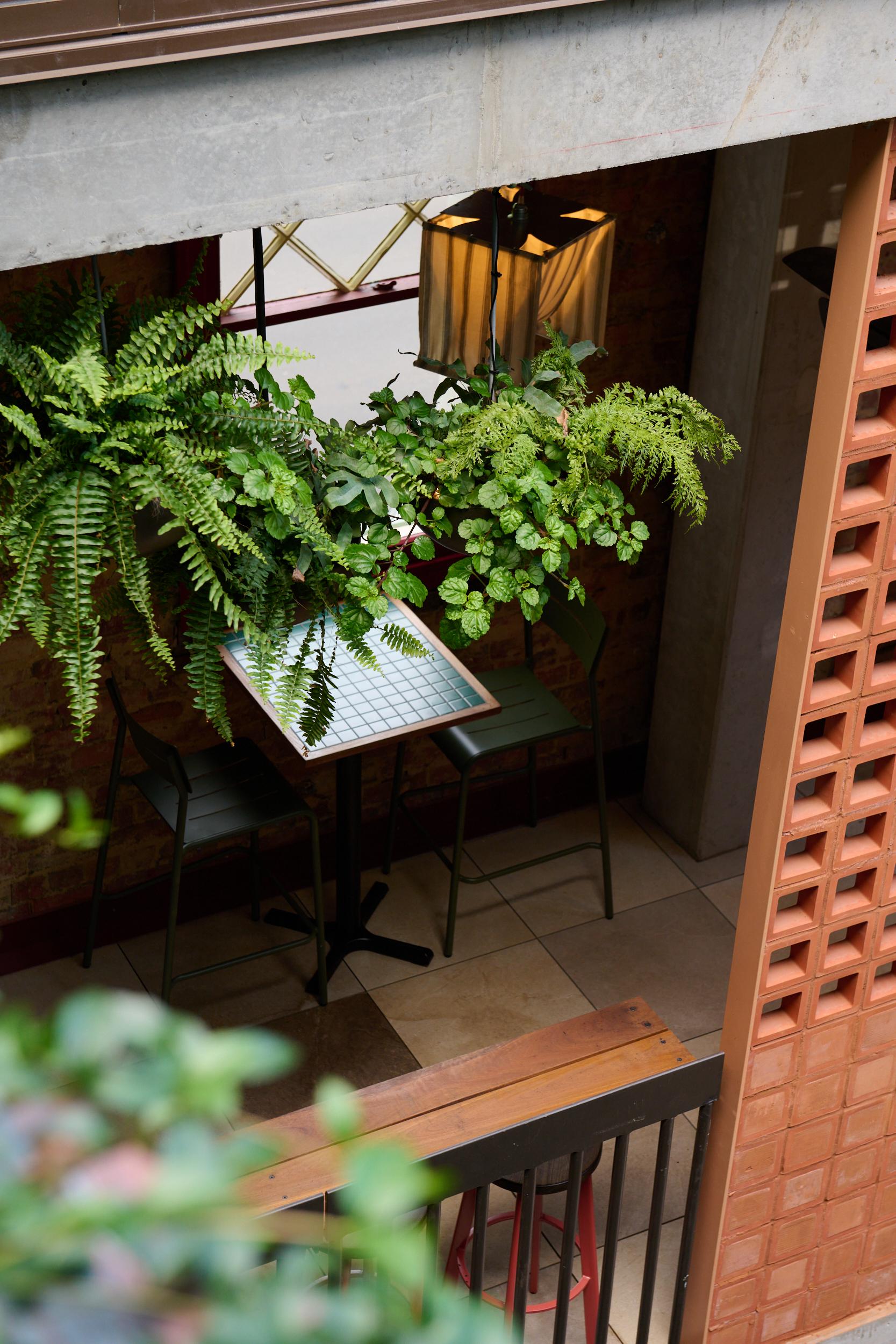
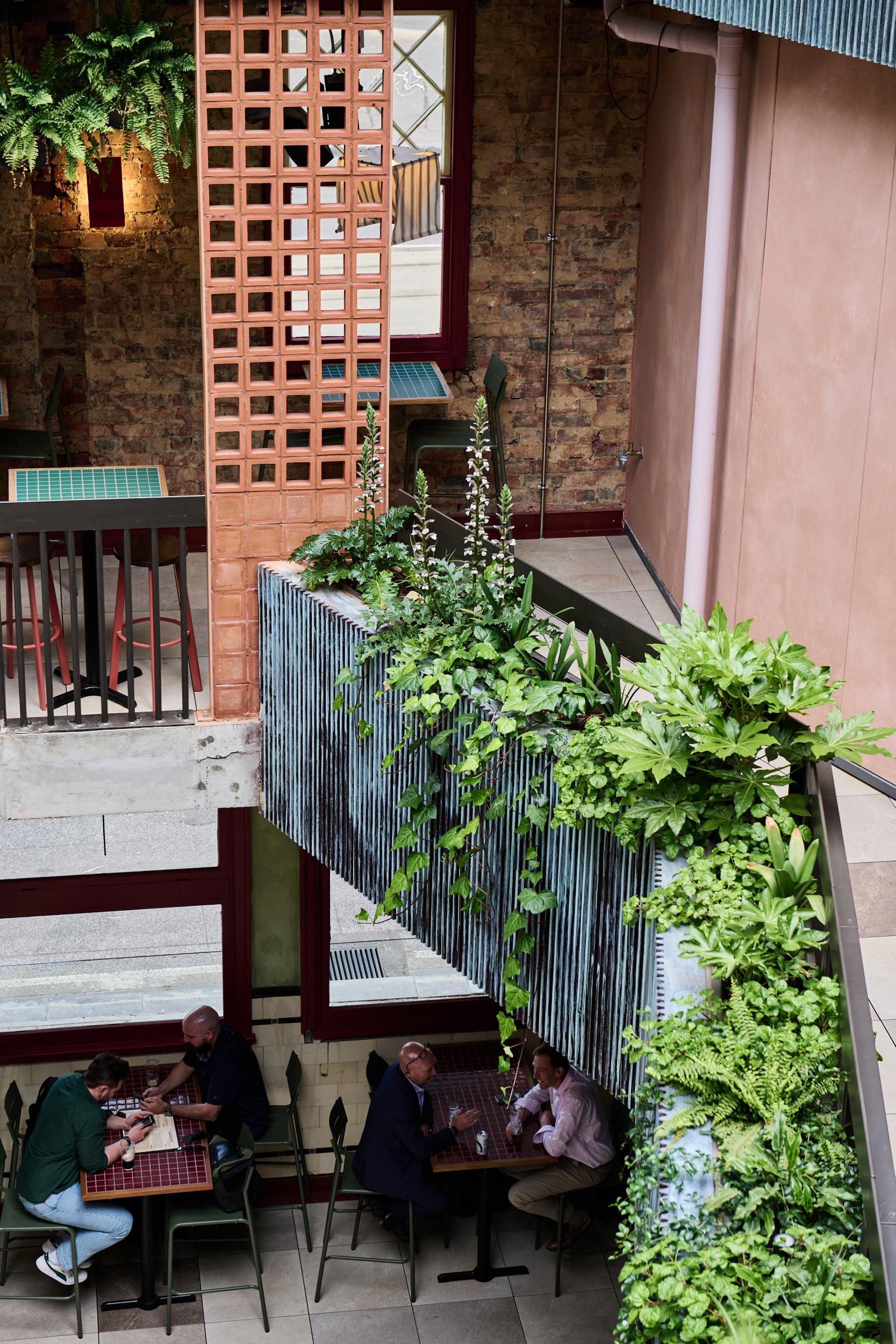
The building now supports an unprecedented mix of venues – a ground-floor pub and beer garden, the multi-level South-East Asian dining experience PAST / PORT, as well as cocktail bars, outdoor terraces and event spaces stacked vertically above.
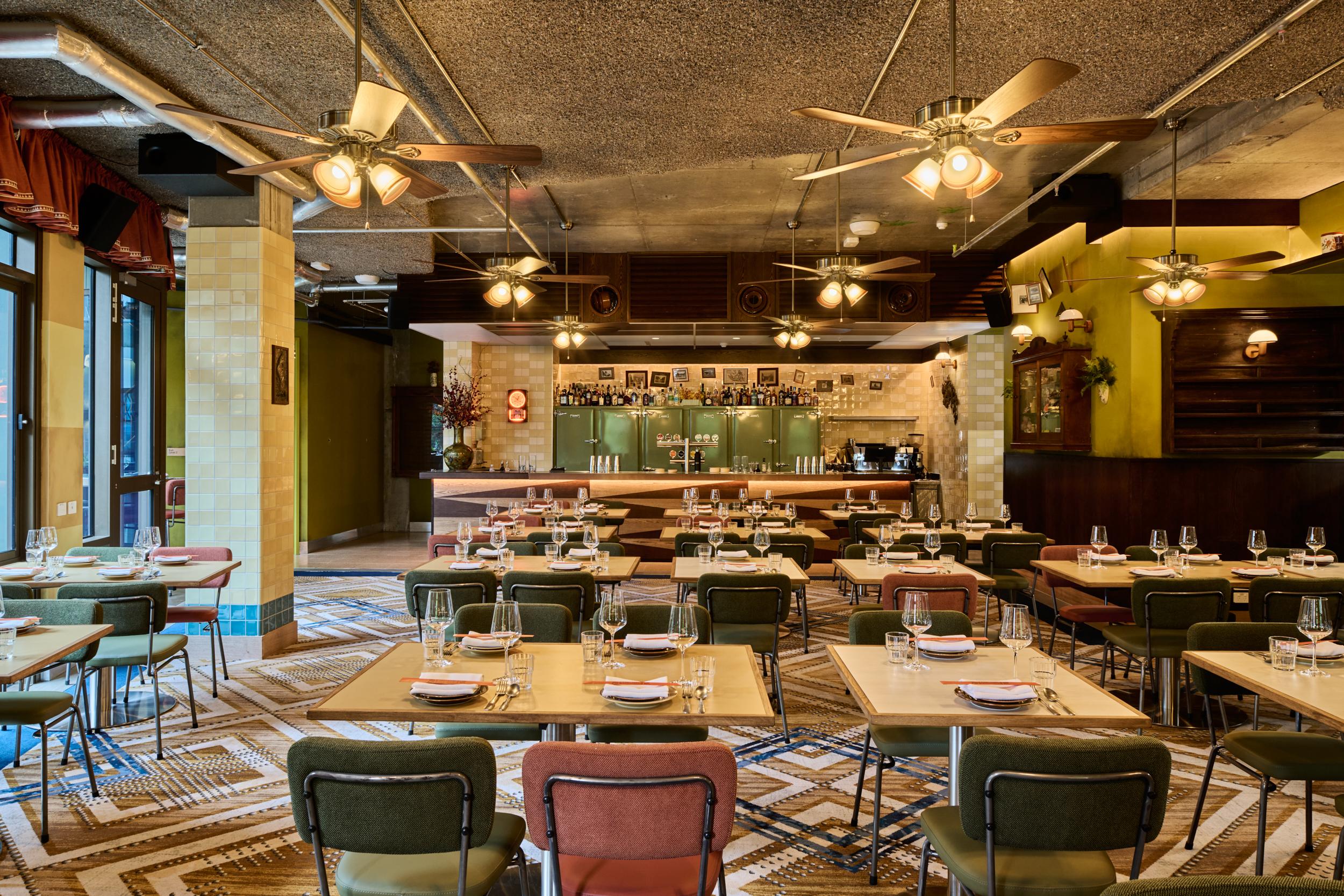
“Designing a seven-storey venue within a heritage shell is enormously challenging – every level comes with its own constraints, structural logic and operational needs. But it’s exactly this complexity that has allowed the Waterside Hotel to become something Melbourne hasn’t seen before.”
– Justin Northrop, Director
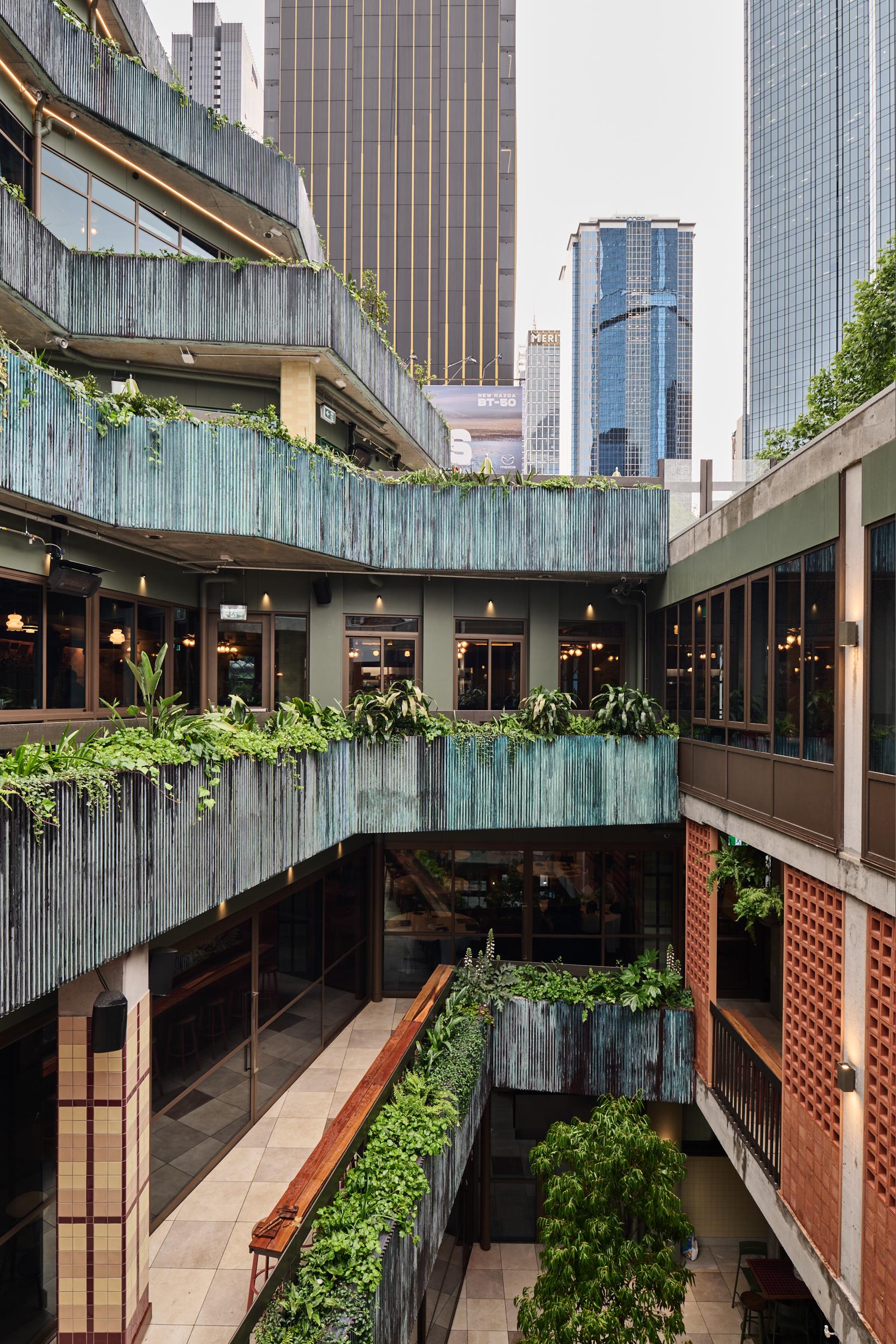
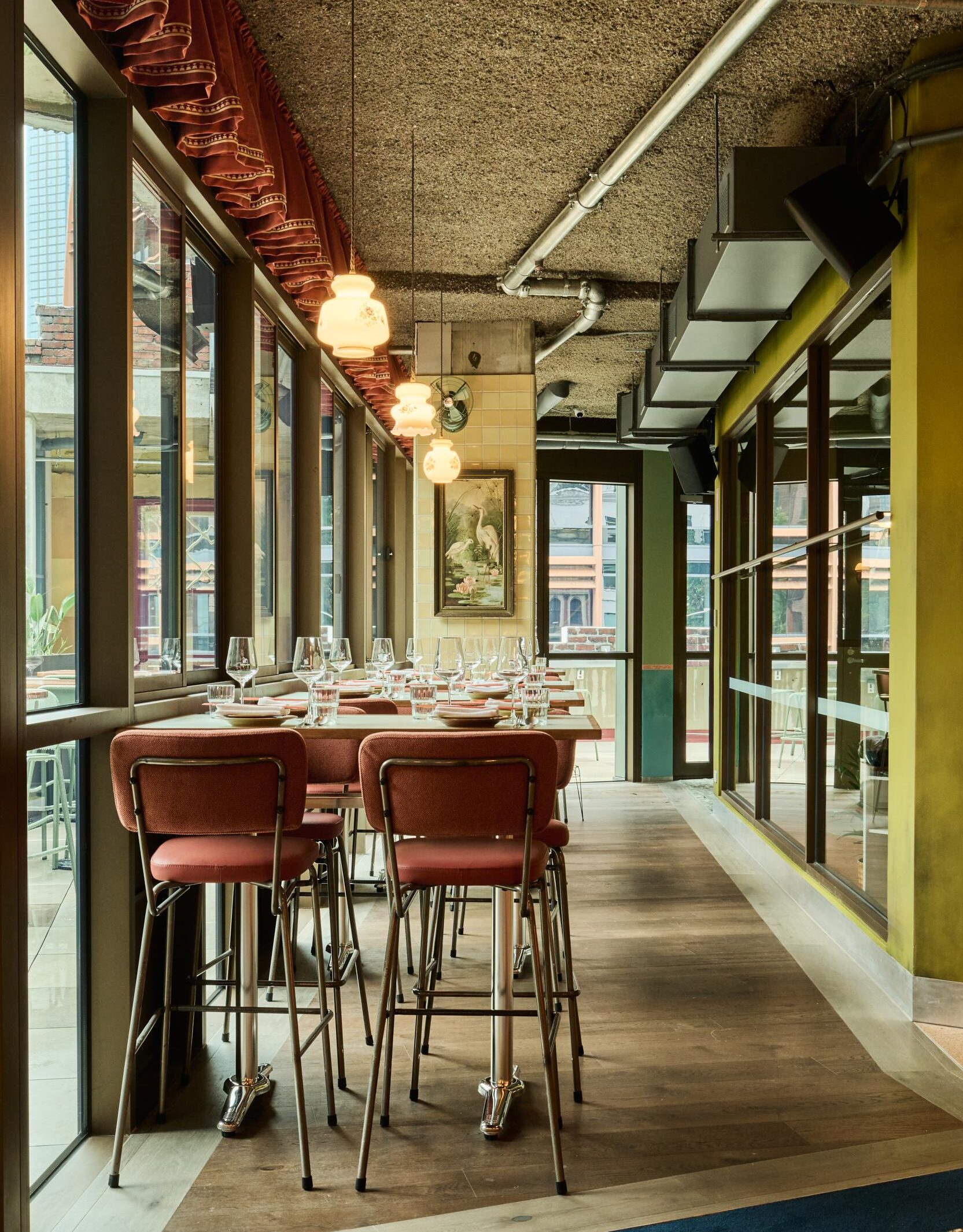
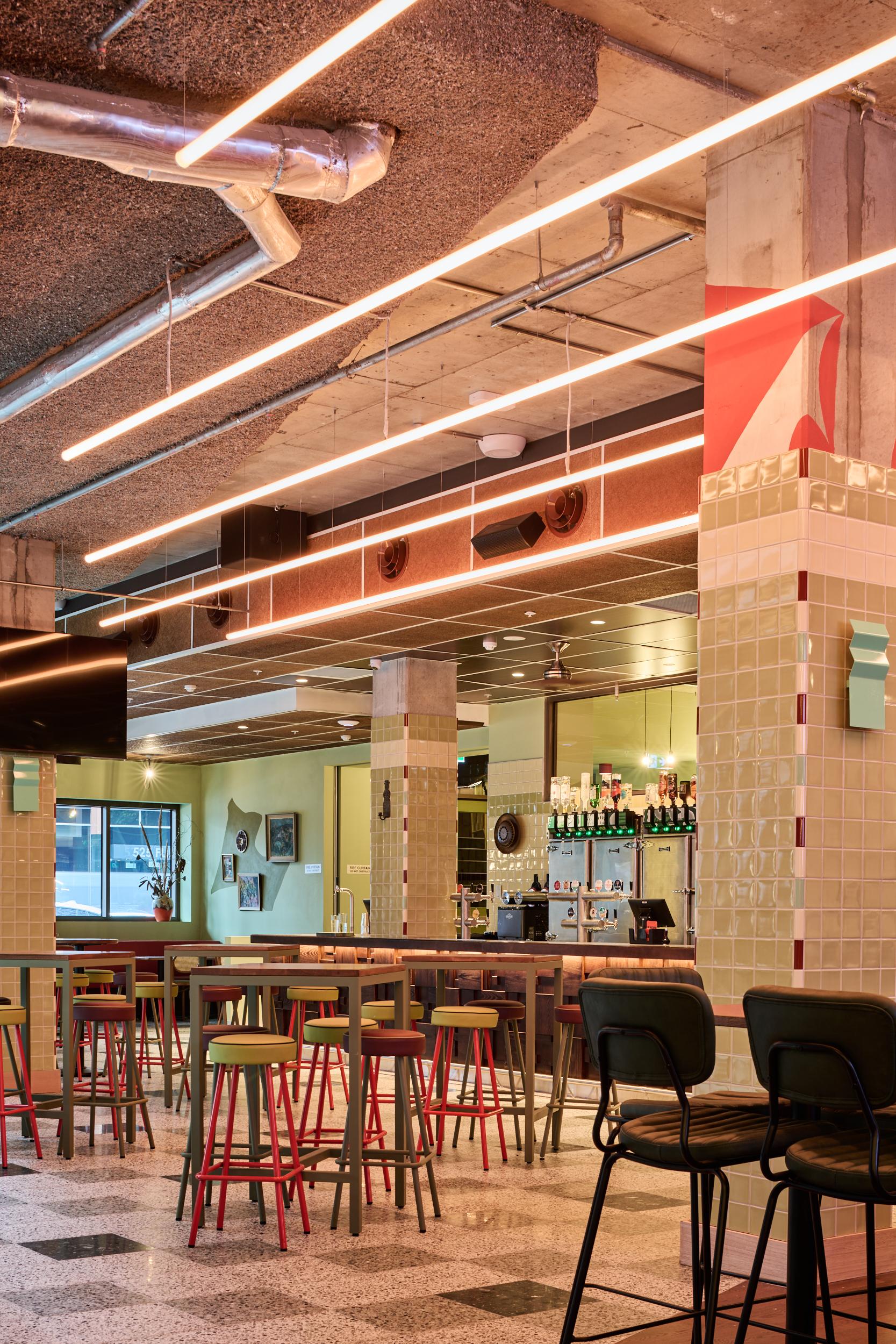
From the robust, hard-wearing character of the street-level pub – informed by classic Melbourne Sand Hill Road venues – to intimate dining spaces wrapped around the heritage walls, and rooftop terraces overlooking the city, each level has been shaped to feel both distinct and connected.
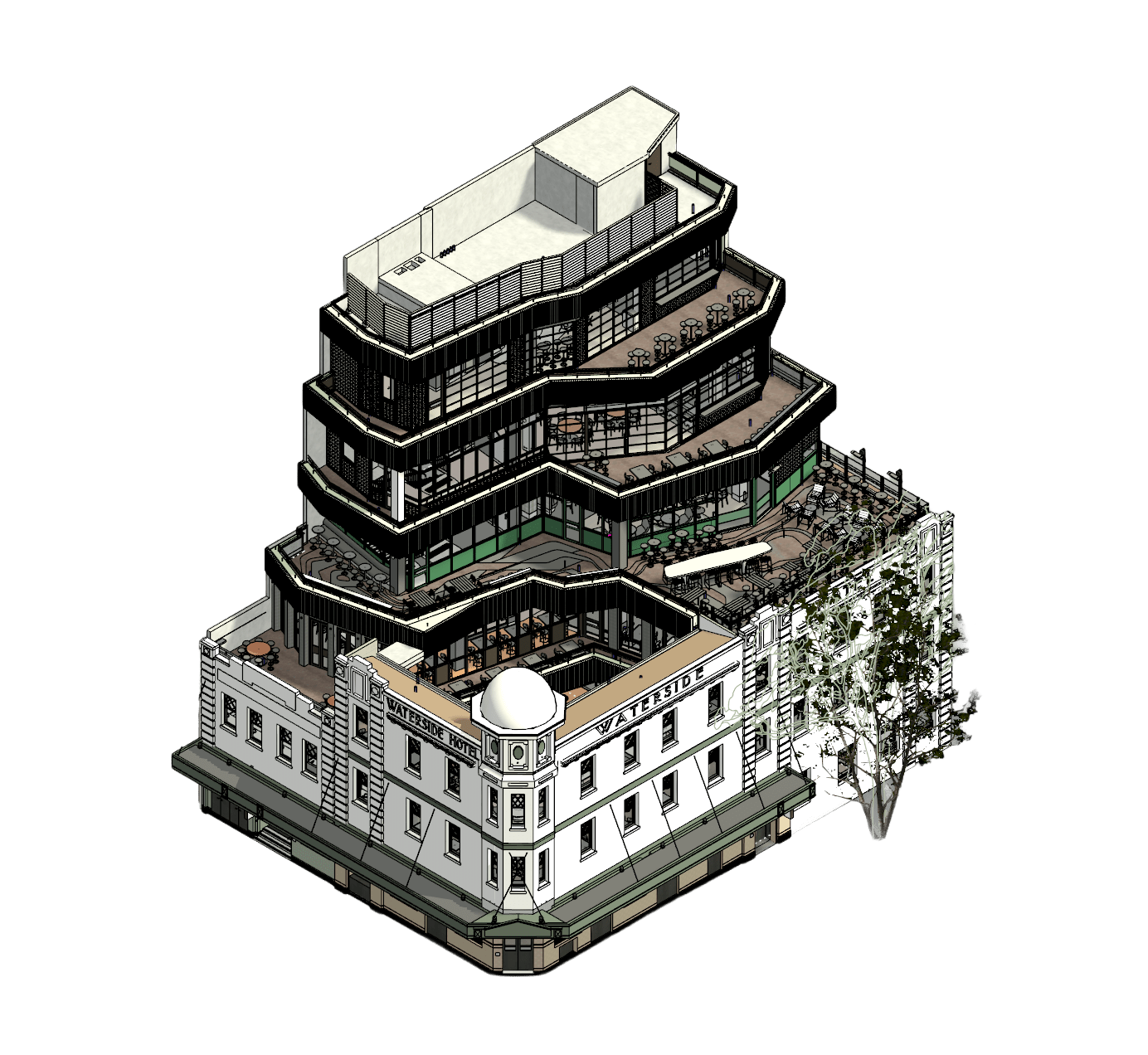
Digital and physical modelling were central to this project – not as presentation tools, but as critical instruments for testing and refining the architecture and interior design.
With seven distinct programs, modelling allowed us to understand how new interventions sat within the heritage fabric, from structure and circulation to sight lines and services.